AZMovies vs Paid Streaming Services: Features, Quality, and Cost Analysis
Ready to explore azmovies?
Direct portal access to azmovies.
Choosing between free streaming platforms and paid subscription services has become a critical decision for entertainment seekers. With monthly subscription costs climbing across major platforms, many viewers explore alternatives like azmovies to access their favorite content without financial commitment. This comparison examines the key differences in features, streaming quality, content availability, and overall costs to help you understand what each option brings to your viewing experience.
The streaming landscape has evolved dramatically, offering viewers more choices than ever before. Understanding how free platforms stack up against premium services requires looking beyond surface-level differences at the actual user experience, content accessibility, and long-term value proposition.
Content Library Size and Variety
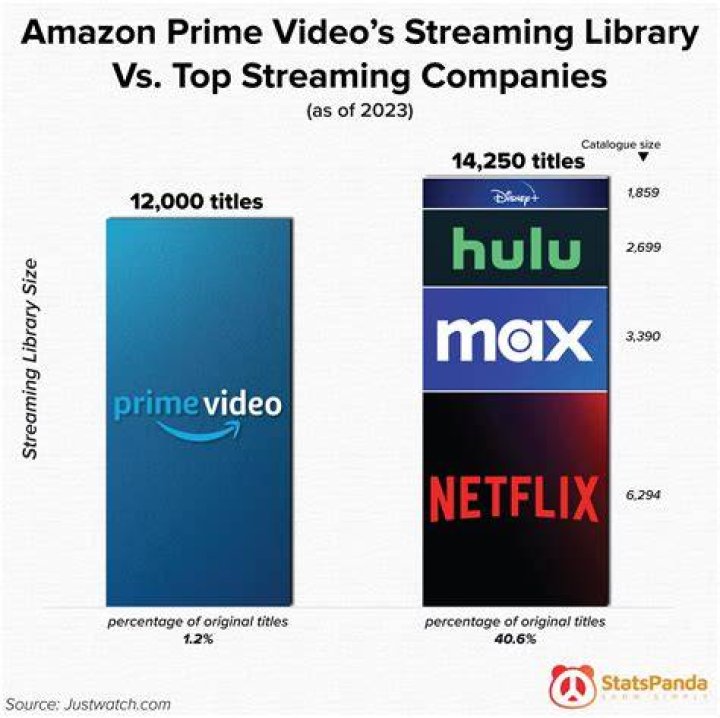
Paid streaming services typically maintain curated libraries ranging from 3,000 to 15,000 titles depending on the platform. Netflix, Disney+, and HBO Max focus on selective catalogs that emphasize quality over quantity, often featuring exclusive originals and licensed content from major studios. These platforms invest billions in content acquisition and production, resulting in diverse offerings across genres.
Free platforms like azmovies often provide access to broader collections spanning multiple decades and international markets. Without licensing restrictions limiting their catalogs, these services can offer extensive back catalogs including classic films, international cinema, and hard-to-find titles that paid services may not carry. The trade-off involves less emphasis on brand-new releases and original productions.
Original Content Production
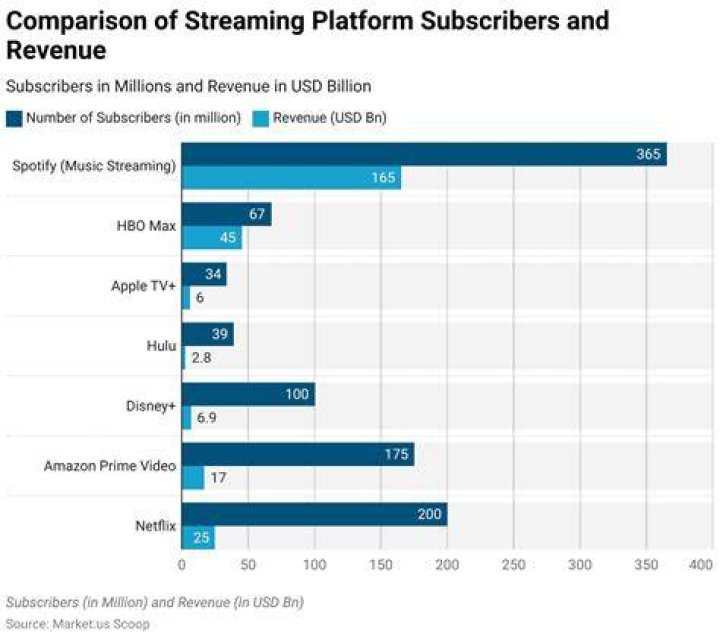
Premium subscription services distinguish themselves through substantial investments in original programming. Netflix alone spends over $17 billion annually on content creation, while Amazon Prime Video and Apple TV+ allocate similar budgets to exclusive series and films. These originals serve as key differentiators, offering content unavailable anywhere else.
Free streaming alternatives focus primarily on aggregating existing content rather than producing originals. This approach means you won't find platform-exclusive shows, but you gain access to established libraries from various sources without restriction to a single studio's output.
Video and Audio Quality Standards
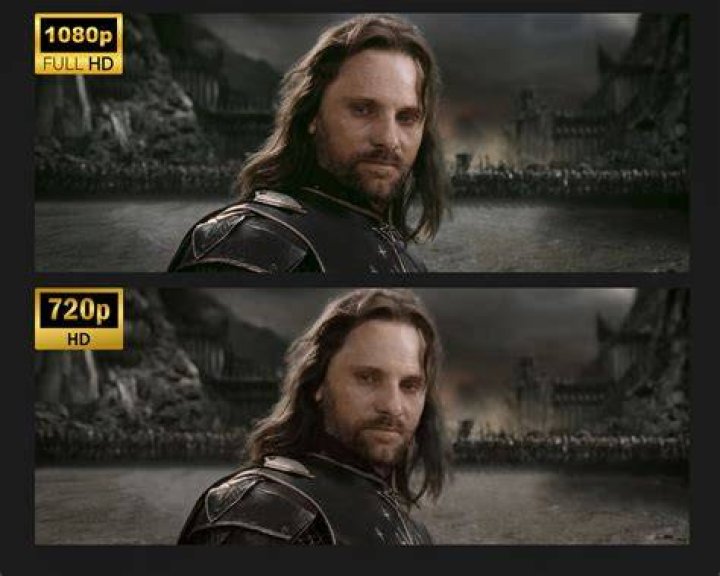
Paid streaming services offer tiered quality levels based on subscription plans. Basic tiers typically provide standard definition (480p), mid-tier plans deliver HD (1080p), and premium subscriptions unlock 4K Ultra HD with HDR support and Dolby Atmos audio. These platforms maintain consistent quality through adaptive streaming technology that adjusts to your internet connection.
Quality on free platforms varies significantly depending on source files and server capacity. Many streams are available in HD quality, though consistency fluctuates based on demand and upload sources. Users typically experience more variation in bitrate and audio quality compared to paid services, though acceptable viewing experiences remain common.
Buffering and Stream Stability
Premium services invest heavily in content delivery networks (CDNs) to ensure smooth playback across geographic regions. Their infrastructure minimizes buffering, supports multiple simultaneous streams, and maintains quality during peak usage hours. This reliability comes from significant backend investment in servers and bandwidth.
Free platforms may experience more variable performance depending on server load and hosting infrastructure. Peak viewing times can sometimes result in slower loading or quality reduction, though many users find performance adequate for their needs with stable internet connections.
Cost Breakdown and Financial Commitment
Subscription streaming services operate on recurring payment models that range from $7 to $20 monthly per platform. Households often maintain multiple subscriptions to access desired content across different services, with average users subscribing to 3-4 platforms simultaneously. This translates to $300-$800 annually in streaming costs alone.
Premium tier pricing adds further expense. Netflix charges $23 monthly for 4K access, Disney+ Bundle costs $20, and HBO Max premium reaches $16 monthly. Annual commitments sometimes offer modest discounts, but the core model requires ongoing financial obligation regardless of viewing frequency.
Hidden Costs of Paid Services
Beyond base subscription fees, paid platforms introduce additional expenses. Premium channels within services, rental fees for new releases, and simultaneous screen limitations that push households toward higher tiers all increase total costs. Many services also discontinue content with little notice, meaning paid access doesn't guarantee permanent availability.
Platforms like azmovies eliminate recurring financial commitments entirely. Users access content without subscription fees, payment information, or automatic renewals. This zero-cost model appeals particularly to budget-conscious viewers or those who watch content sporadically rather than daily.
User Interface and Platform Features
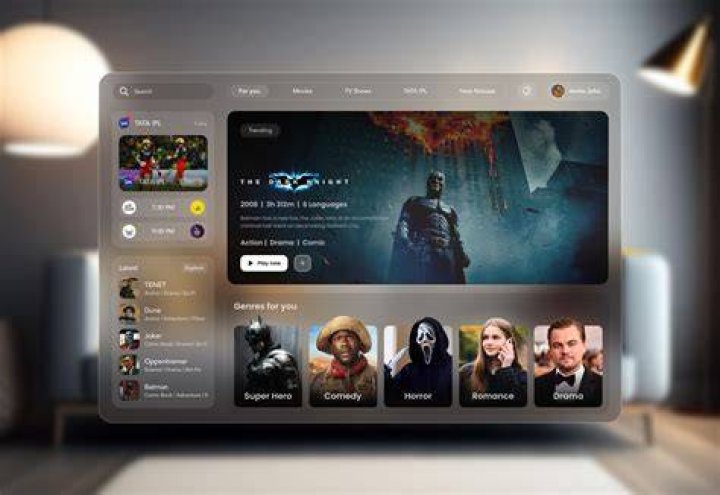
Paid streaming services offer polished interfaces with sophisticated recommendation algorithms, personalized profiles, watchlist management, and cross-device synchronization. Their apps support smart TVs, gaming consoles, mobile devices, and web browsers with consistent experiences. Features like offline downloads, parental controls, and multiple user profiles add convenience for household viewing.
Free streaming platforms typically provide more basic interfaces focused on search and playback functionality. While less refined than paid counterparts, these interfaces still enable effective content discovery through genre categories, search functions, and simple navigation. The simpler approach reduces learning curves and focuses on direct access to content.
Device Compatibility and Accessibility
Premium services maintain dedicated apps across all major platforms with regular updates and optimization. Support teams address technical issues, and platforms guarantee compatibility with current devices and operating systems. This professional maintenance ensures reliable access across your preferred viewing devices.
Free alternatives primarily operate through web browsers, which maximizes compatibility without requiring app installations. This approach works across any device with internet access and a modern browser, though it may lack some native app conveniences like system integration or remote control support.
Content Availability and Release Timing
Paid streaming services secure exclusive windows for new releases, offering theatrical films 45-90 days after cinema runs or simultaneous day-and-date releases for original productions. TV series follow weekly release schedules or full-season drops, giving subscribers early access to popular content. This exclusivity period represents a key value proposition for subscribers wanting immediate access to trending entertainment.
Free platforms typically access content after exclusive windows expire or through different distribution channels. While this means delayed access to blockbuster releases, it also provides long-term availability of extensive back catalogs without pressure to watch within subscription periods. Viewers can discover older content without time-limited access concerns.
Geographic Restrictions and Content Licensing
Regional licensing agreements heavily restrict paid service catalogs. The same subscription provides different content libraries depending on your country, with significant variations in available titles. VPN usage often violates terms of service, limiting options for accessing region-locked content legally.
Geographic limitations affect all streaming platforms differently, though approaches vary in implementation and enforcement. Users should research specific availability in their regions when comparing options.
Advertising and Viewing Interruptions
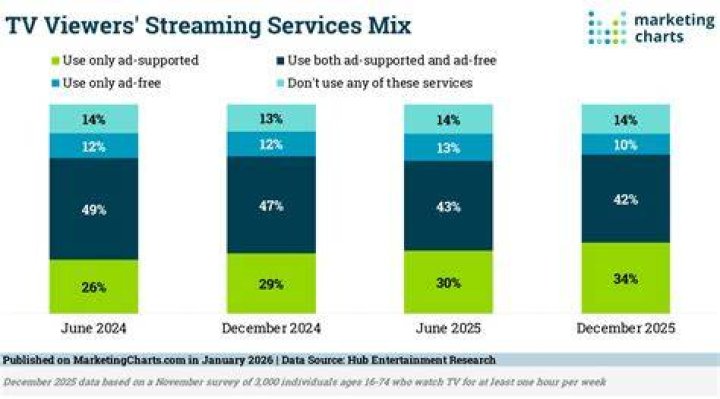
Premium streaming tiers traditionally offered ad-free experiences as a core benefit. However, major platforms have introduced cheaper ad-supported tiers, with Netflix and Disney+ now showing commercials on basic plans. Ad-free viewing requires premium subscriptions, adding to total costs. Commercial breaks typically run 15-30 seconds and appear several times per hour of content.
Free streaming platforms may display advertisements to support operations, though experiences vary widely. Some implement pop-up ads or banner displays, while others integrate video ads similar to paid service approaches. The frequency and intrusiveness differ across platforms, with some offering relatively clean viewing experiences.
Legal Considerations and Service Legitimacy
Paid streaming services operate through licensed agreements with content owners, ensuring legal access to all available titles. Subscribers support content creators, production studios, and the broader entertainment industry through subscription fees. This legitimate framework provides peace of mind regarding copyright compliance and service continuity.
The legal status of free streaming platforms varies significantly. Users should research the legitimacy of any platform before use, understanding that some operate in gray areas regarding content licensing. Awareness of local regulations and platform operations helps users make informed decisions aligned with their values and risk tolerance.
Account Security and Privacy
Premium services require personal information and payment details, creating accounts tied to identifiable data. While established platforms maintain robust security measures, data breaches remain possible. Terms of service grant platforms extensive rights regarding user data and viewing habits.
Platforms requiring minimal personal information offer privacy advantages by collecting less identifiable data. However, users should still exercise caution with any online service, using security measures like updated browsers and antivirus software regardless of platform choice.
Long-Term Value and Viewing Habits
Assessing value requires examining your actual viewing patterns. Households watching multiple hours daily across diverse content types may justify multiple subscriptions through heavy usage. Premium features like 4K quality, original series, and polished interfaces provide tangible benefits for frequent viewers invested in latest releases.
Casual viewers who watch sporadically or prefer older content may find subscription costs difficult to justify. Paying monthly fees for services used occasionally creates poor value propositions. Free alternatives suit viewers comfortable with trade-offs in interface polish and content freshness in exchange for zero financial commitment.
Subscription Fatigue and Platform Consolidation
The proliferation of streaming services has created "subscription fatigue," with viewers juggling multiple platforms to access fragmented content libraries. Exclusive deals force households to maintain several subscriptions simultaneously, driving total costs higher than traditional cable packages. This fragmentation continues intensifying as studios launch proprietary platforms.
Single-platform alternatives that aggregate content from multiple sources address this fragmentation issue. While they may not offer the latest releases, they provide centralized access without requiring multiple subscriptions or navigation across different interfaces.
Final Thoughts
The choice between azmovies and paid streaming services ultimately depends on your priorities, viewing habits, and budget constraints. Paid platforms offer unmatched polish, exclusive original content, guaranteed quality, and legitimate licensing with the trade-off of substantial recurring costs. Free alternatives provide extensive content libraries and zero financial commitment while accepting limitations in interface sophistication and content freshness. Many viewers find value in hybrid approaches, maintaining one paid subscription for favorite originals while supplementing with free platforms for broader catalog access. Understanding these differences allows you to build a viewing strategy aligned with your entertainment needs and financial comfort.
Explore More on Azmovies
Thank you for reading! For more comprehensive guides and site pages, return to the Azmovies Homepage .
